
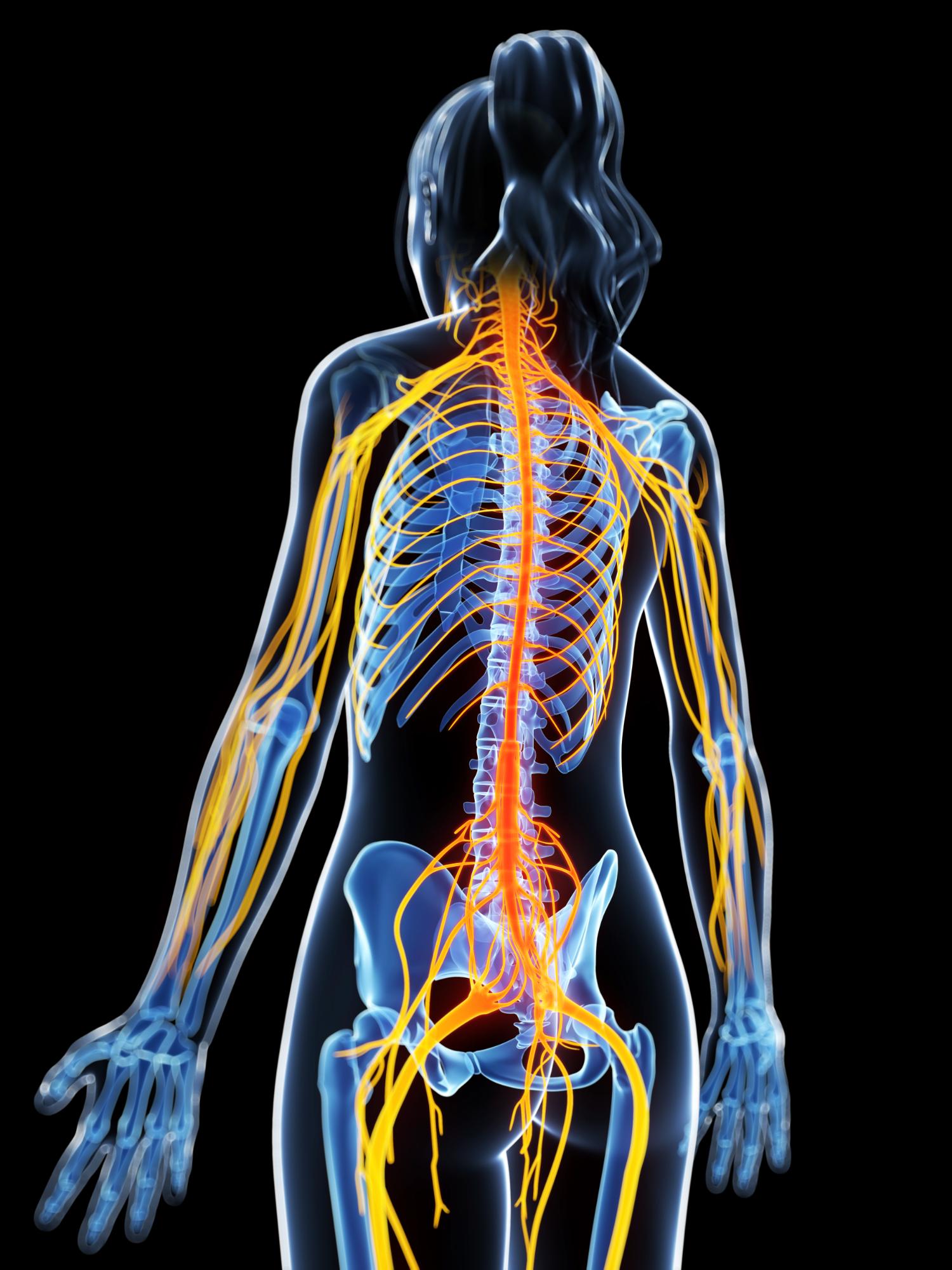
Atlas Orthogonal is a specialized upper cervical chiropractic approach focused on the alignment of the atlas vertebra — the top bone in the neck (C1), which supports the skull and surrounds part of the brainstem.
1. The atlas has a unique role in the body
The atlas vertebra:
- Supports the head
- Helps protect the brainstem
- Influences head posture and neck mechanics
- Affects how the spine balances underneath it
Because it sits at the junction between the skull and spine, even small positional changes may affect posture, muscle tension, and movement patterns.
2. It emphasizes precision
Unlike traditional manual chiropractic adjustments that may involve twisting or cracking, Atlas Orthogonal uses:
- Detailed imaging and measurements
- An instrument that delivers a very gentle mechanical force
- Customized calculations for each patient
Many patients choose it because it is low-force and highly targeted.
3. It is often used for chronic or complex symptoms
People commonly seek Atlas Orthogonal care for:
- Neck pain
- Headaches and migraines
- Dizziness or balance issues
- Jaw tension/TMJ symptoms
- Postural problems
- Some chronic pain syndromes
Some patients with conditions like Lyme disease, chronic fatigue, or nervous-system sensitivity prefer gentler upper cervical techniques because they may tolerate them better than forceful manipulation.
4. The theory centers on nervous system function
- The brainstem
- Spinal cord
- Muscles and connective tissues around the neck
Structural alignment can improve communication throughout the nervous system and reduce compensatory strain patterns.
Why people choose AO over traditional chiropractic
- Gentle/no twisting approach
- Focus on upper cervical alignment
- Detailed imaging and analysis
- Concern about aggressive neck manipulation
- Chronic illness or nervous-system sensitivity